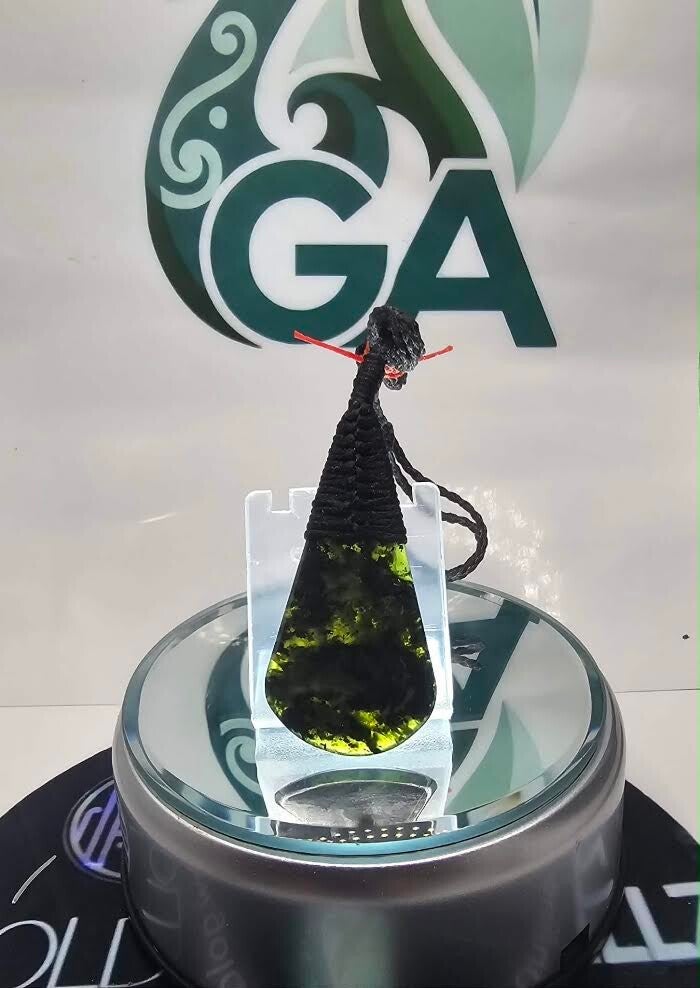
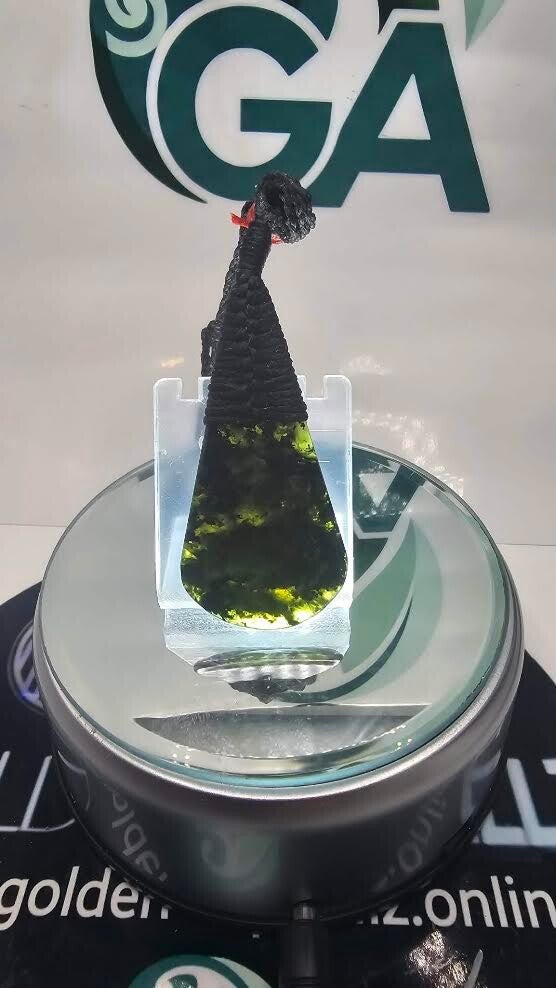
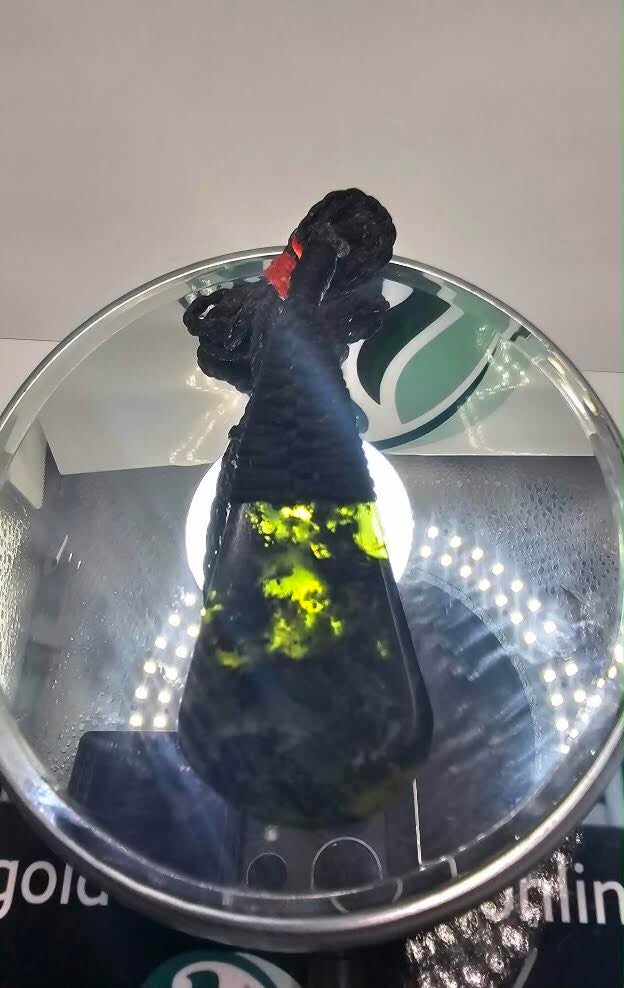
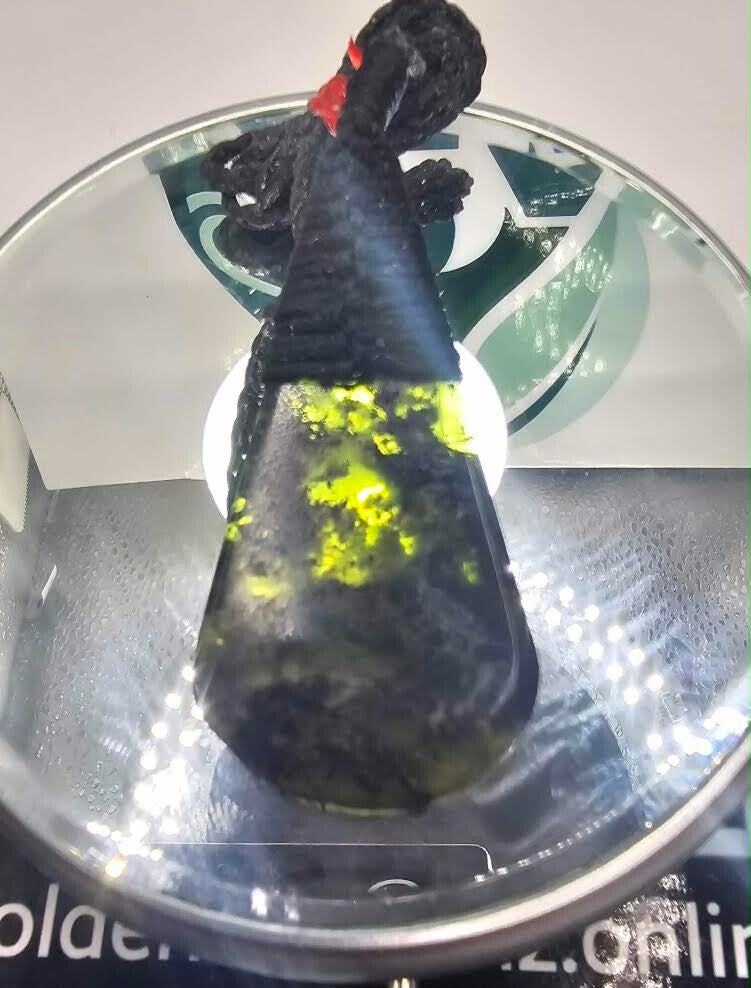
Douglas Creek " Roimata " - New Zealand

R2
Drop : 49 mm
Wide : 30 mm
Weight : 11.3 g
Roimata means "tear" in Māori and symbolizes emotional strength, healing, and connection to the land.
In the Māori language, roimata directly translates to "tear", referring to tears shed from crying or the lachrymal gland. It can also describe a traditional tukutuku pattern resembling falling tears, symbolizing misfortune or disaster, and is associated with specific locations such as Franz Josef Glacier, also known as Kā Roimata o Hine Hukatere.
Cultural and Symbolic Significance
In Māori culture, Roimata is more than a literal tear; it embodies emotional depth, resilience, and spiritual connection. When carved in pounamu (greenstone), the tear-drop shape represents healing, remembrance, and emotional strength. It is often worn close to the heart as a comfort stone, symbolizing compassion, empathy, and solidarity.
The Roimata design is linked to Māori mythology. For example, the Ngāti Porou story recounts the tears of albatross birds connected to the introduction of kumara (sweet potatoes) to Aotearoa. This tale emphasizes gratitude, emotional expression, and the enduring bond between humans and nature
Use in Jewelry and Carvings
Roimata-shaped pendants or earrings are traditionally worn as symbols of high status, protection, and emotional connection. They remind the wearer of the strength within vulnerability, the ability to heal, and the importance of balance and well-being. The design also reflects the Māori belief in the interconnectedness of all life and the spiritual energy.
- Literal meaning: Tear (from crying)
- Symbolism: Healing, emotional strength, compassion, remembrance
- Cultural context: Worn as pounamu carvings or jewelry, connecting wearer to land, ancestors, and spiritual well-being
- Mythological reference: Tears of albatross birds in Māori stories, representing gratitude and emotional expression
Wearing or understanding Roimata is a reminder of the power and resilience found in human emotion and the deep connection between people, nature, and spirituality in Māori culture